
Ceramic veneers: natural-looking shells for your front teeth
A smile is the language of the heart and can express so much more than words ever could. It is a universal gesture of joy, compassion and comfort. A smile can brighten someone’s day and give them hope and strength when they need it most. Yet for many people, smiling is not so easy. They are afraid to show their teeth because they are unsure whether they look good enough. This insecurity can cause them to withdraw and become less open and friendly than they could be. But there is hope. Thanks to modern dentistry, people with imperfect or discoloured teeth can get their smile back – with the help of ceramic veneers.
What are ceramic veneers and how do they work?
Ceramic veneers are wafer-thin ceramic shells that are bonded to the front teeth. They cover flaws such as chipped or discoloured teeth and give your smile a radiant look. They look natural and feel like your own teeth. The treatment is relatively straightforward and can usually be completed in just one or a few sessions. Best of all, the results are visible immediately! Once the veneers are in place, you can proudly show off your new radiant smile. There are basically the following types of veneers:
- Conventional veneers: the teeth need to be prepared (ground down slightly) before the veneers are applied. A small amount of natural tooth substance is removed to give the veneers the space and hold they need. A local anaesthetic injection is usually given for this.
- No-prep veneers: These are applied directly to the natural tooth without any preparation (grinding). This makes the treatment more comfortable, and it can be carried out without local anaesthetic.
What advantages do veneers have over other dental treatments?
Compared with power bleaching, no-prep veneers, for example, have the advantage that the natural tooth does not need to be treated. Power bleaching is not always advisable for patients with sensitive teeth and should therefore be discussed with a dentist beforehand. What are the disadvantages of veneer treatment? One disadvantage of conventional veneers is that healthy tooth structure* is removed, and it cannot grow back. Choosing this treatment to achieve a radiant white smile is therefore a permanent decision. No-prep veneers are more expensive and require considerable manual skill. That is why we always advise you to see an expert who is thoroughly familiar with the procedure. In addition, because the shells are thinner, they usually cannot fully conceal heavily discoloured teeth. *Compared with crowns, however, less tooth structure is removed. If the tooth needs treatment anyway, this can be an advantage of veneers.
How long do ceramic veneers last?
Because they are made of ceramic, veneers are very durable. Studies show that they can last between 10 and 20 years.
Ceramic veneers: our conclusion
The treatment is relatively straightforward and can usually be completed in just a few appointments. Best of all, the results are visible immediately! Once the treatment is complete, you can proudly show off your radiant new smile – without worrying about what others might think.
Consultation in Küsnacht
You are welcome to find out about the pros and cons and the costs of ceramic veneers at our practice. Get in touch with us for a consultation. You can also use our convenient online booking tool to enter your preferred appointment right away.
Before and after: cases from our practice
The following images show real cases from Dr. Karamousli’s practice before and after treatment. All cases are shown only with the patients’ explicit consent.
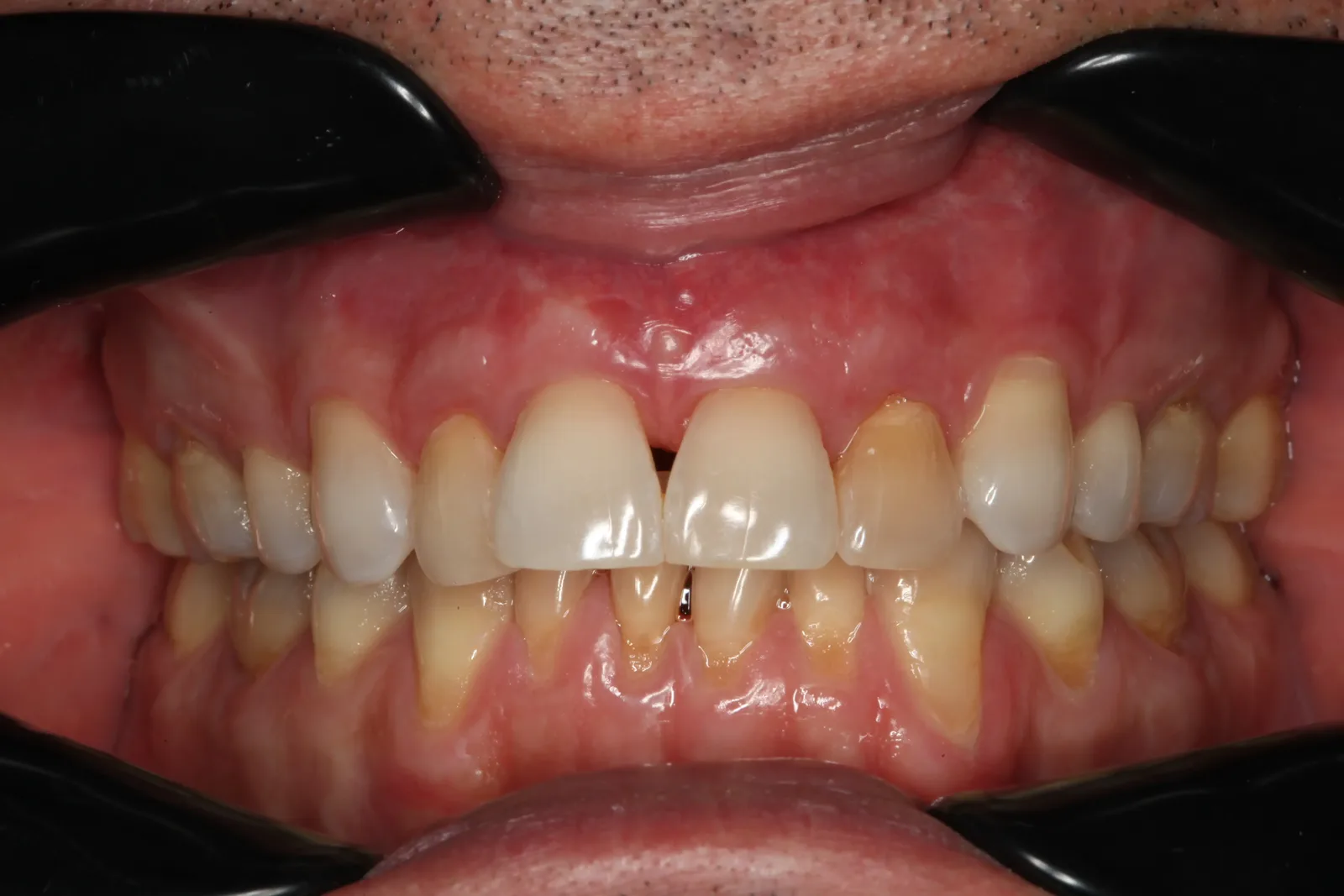
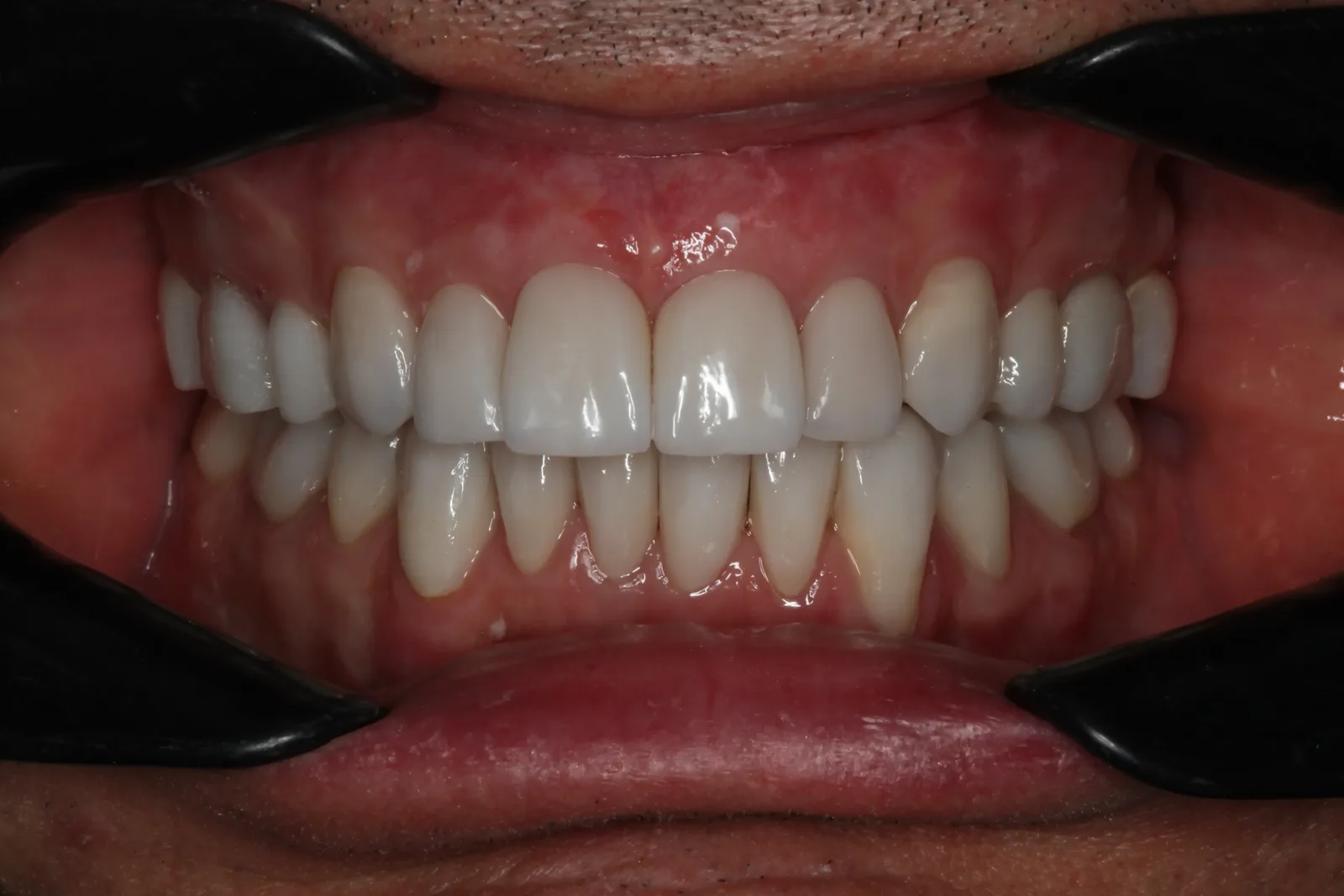
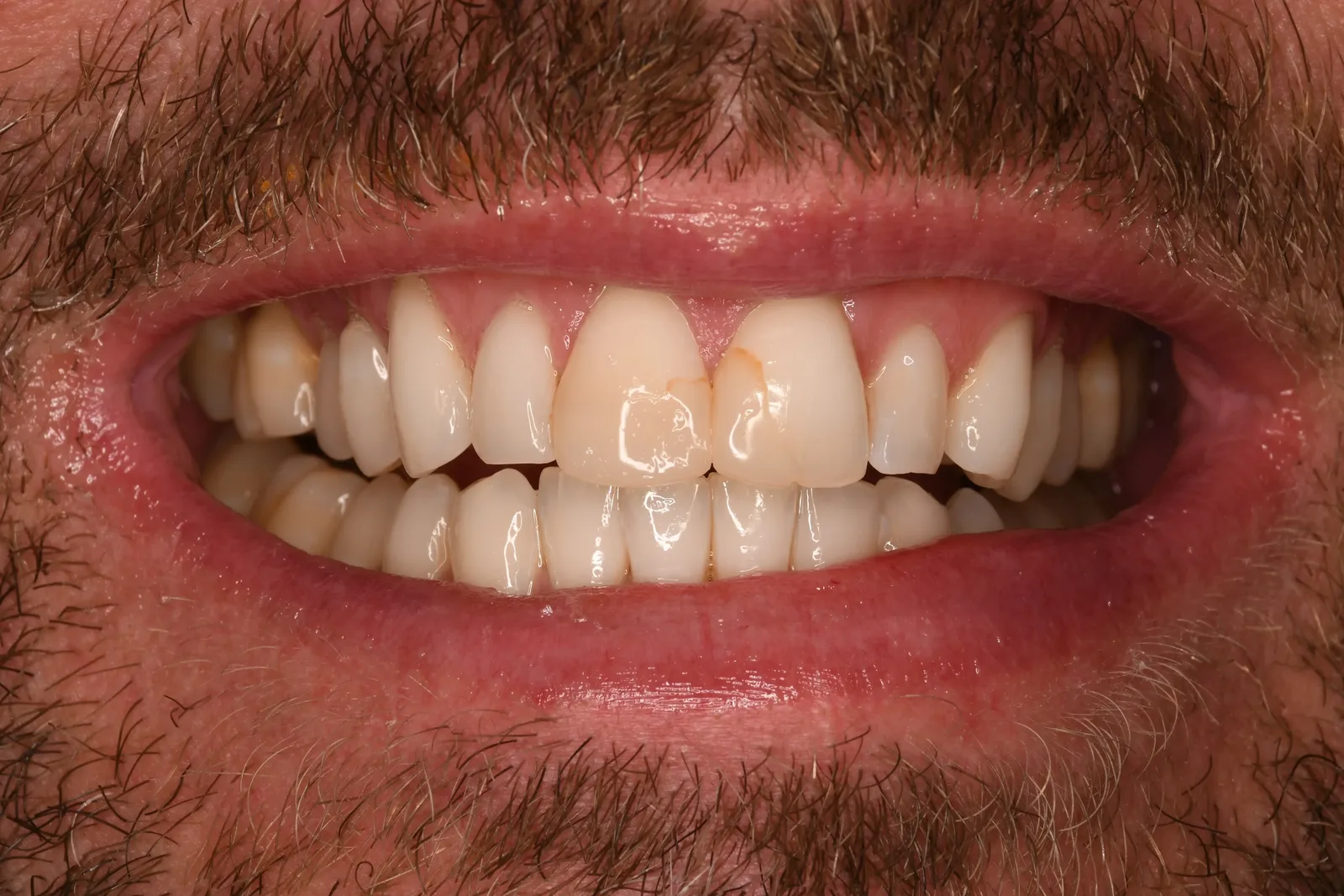
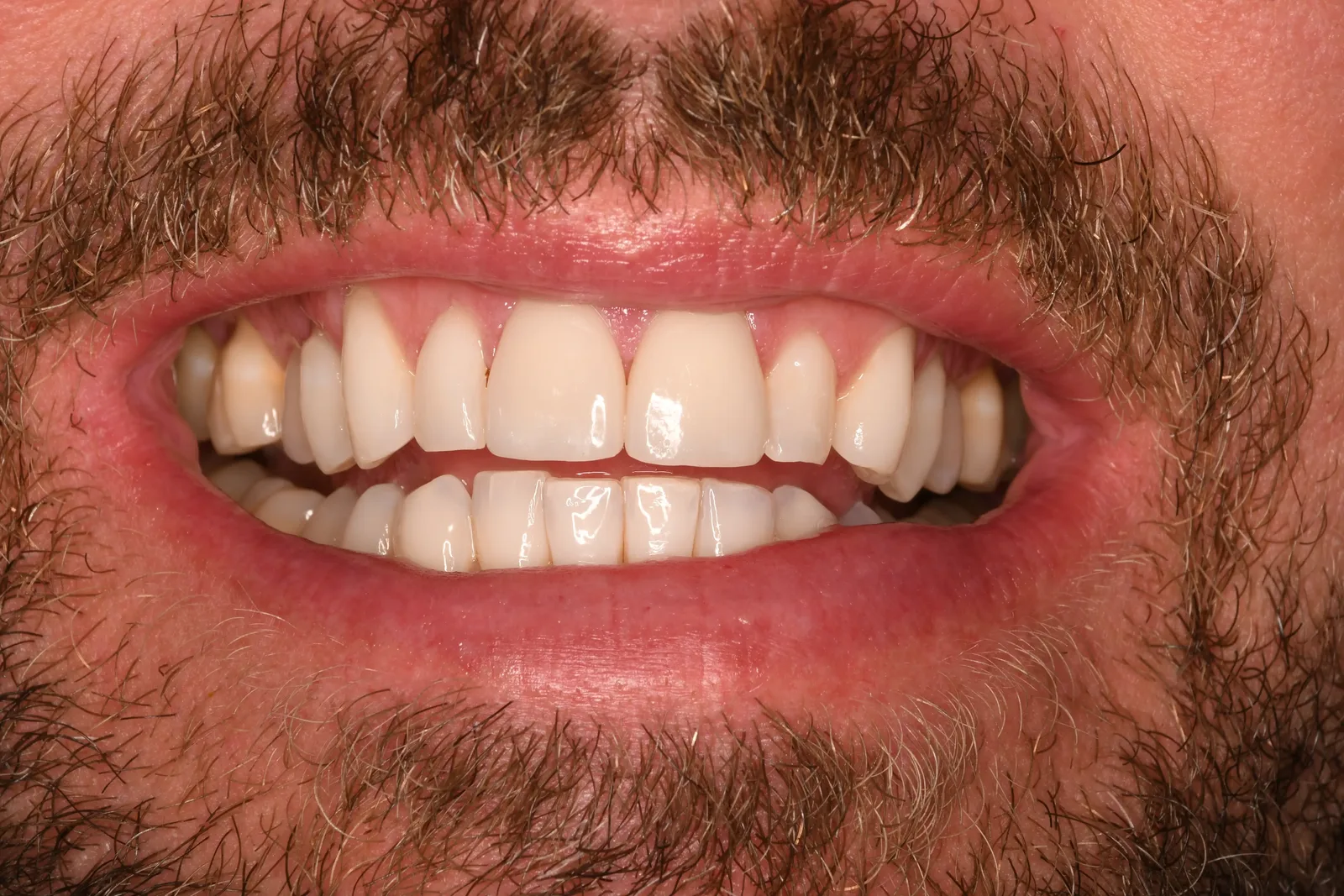
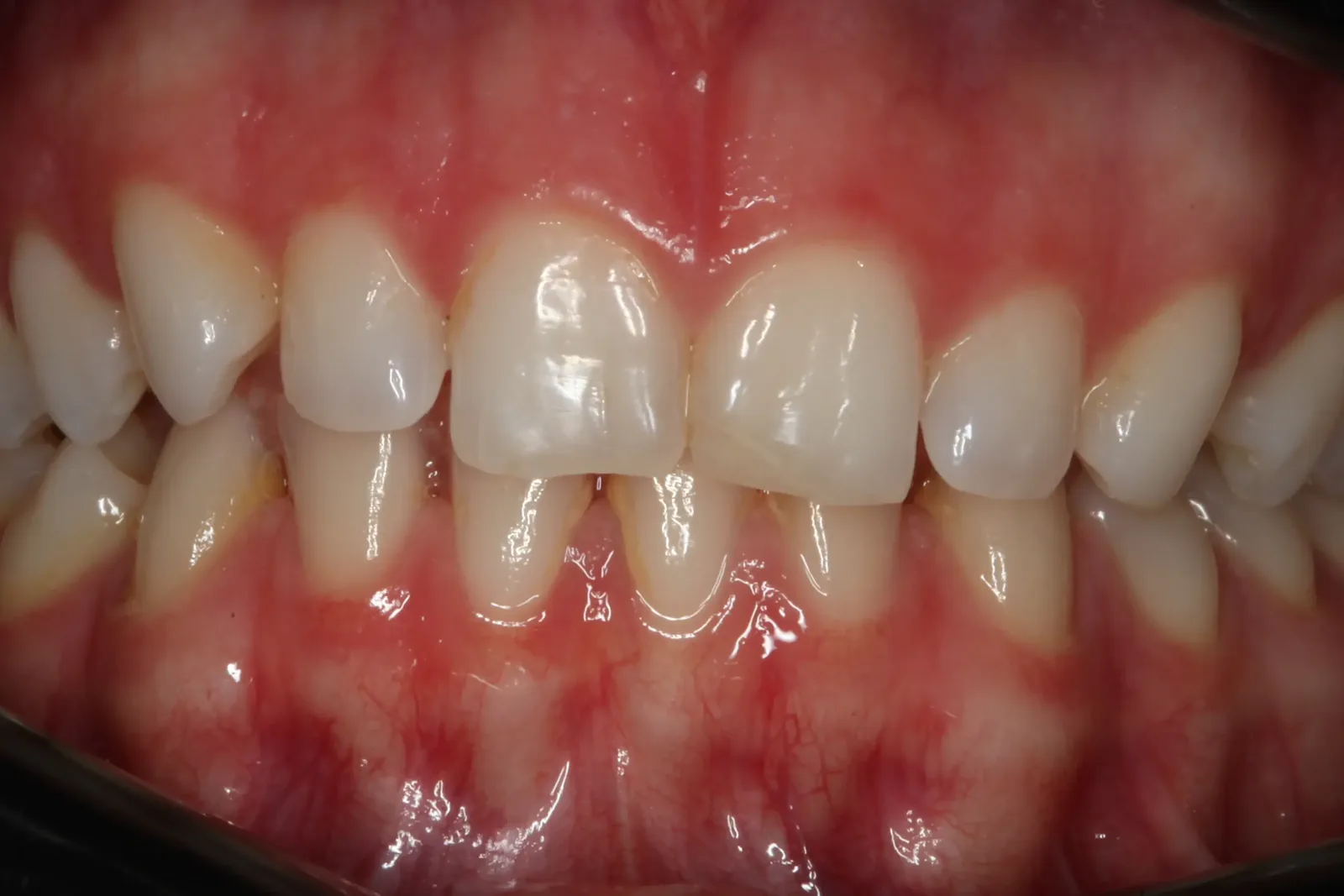
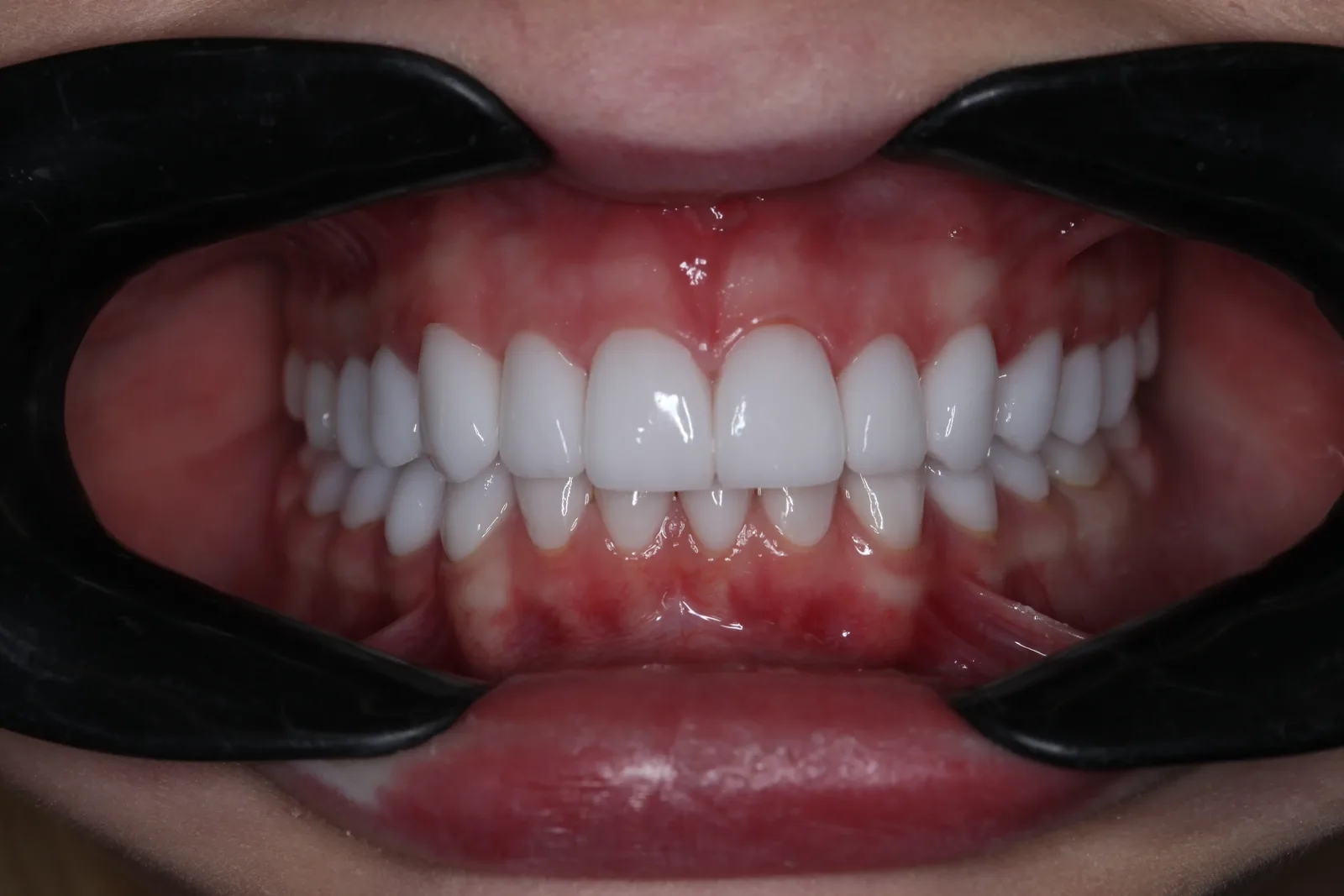
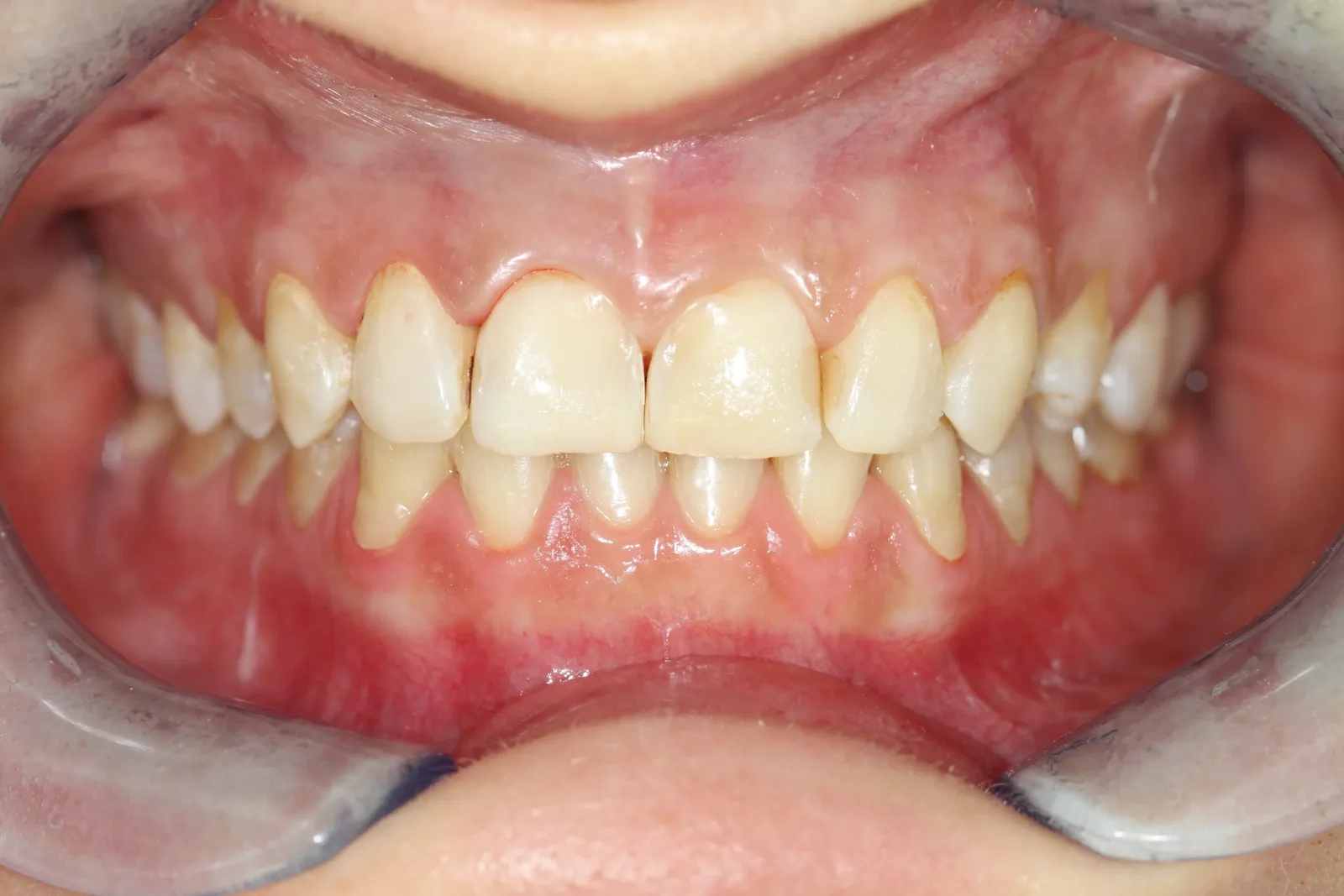
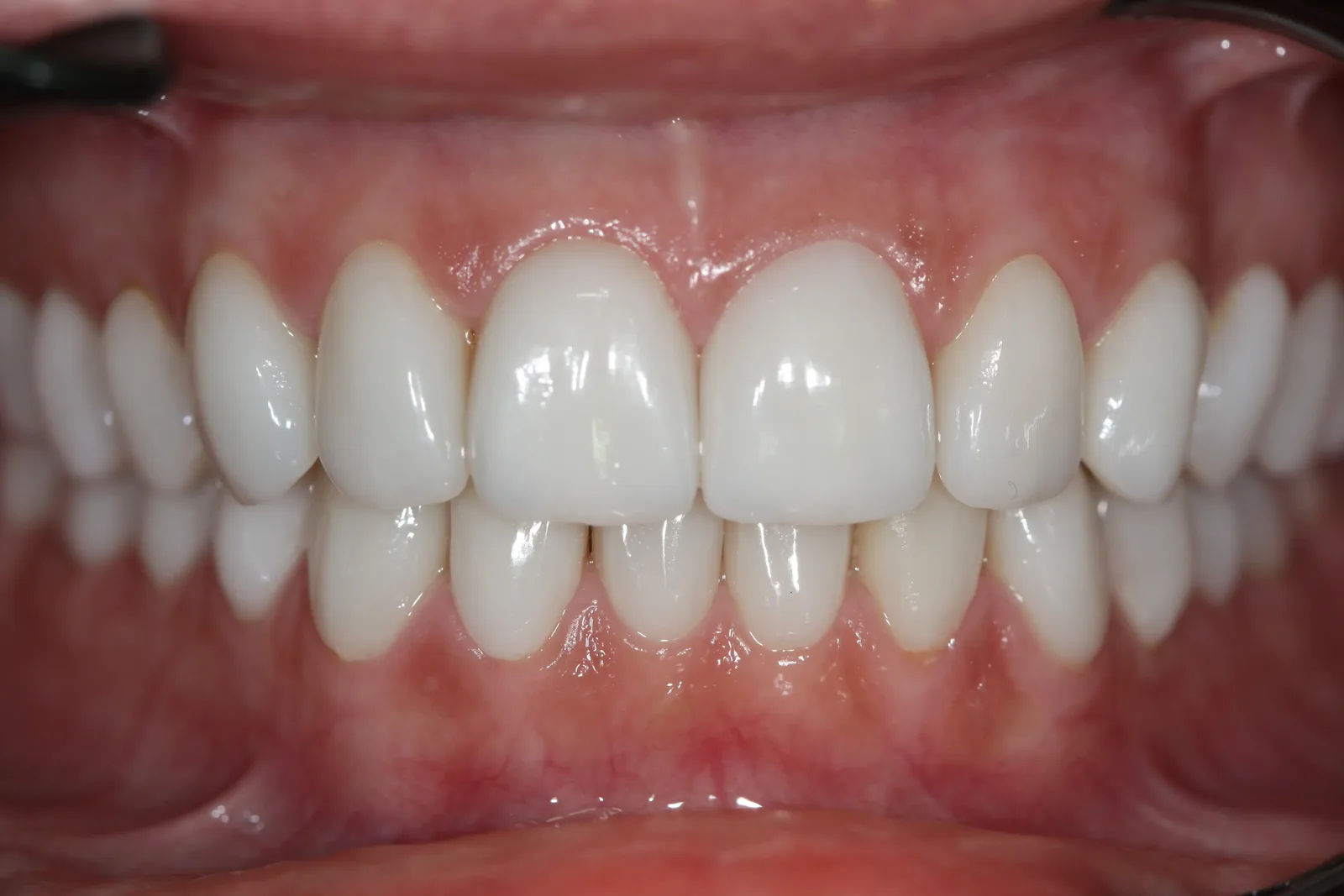
Every result depends on the individual starting point. Together, we will clarify during the consultation whether veneers are an option for you, with Digital Smile Design and a mock-up if you wish.
Appointments & advice
Questions, or ready to book an appointment?
Write to us and we will get back to you as soon as possible. Prefer to book online or give us a call? That works too.
Karamousli Dental Practice · Seestrasse 137 · 8700 Küsnacht